



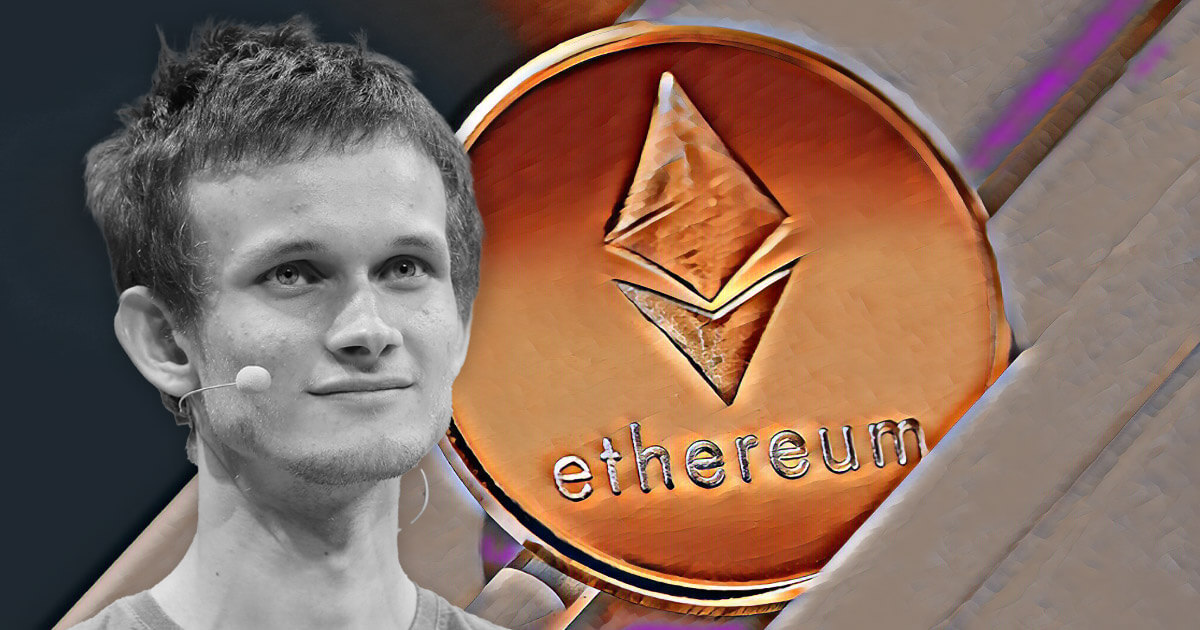

Speaking to Bloomberg, Vitalik Buterin spoke overtly about numerous elements of Ethereum, together with maybe probably the most difficult concern it faces up to now, scalability.
The Ethereum ecosystem options probably the most dApps and has the best complete worth locked in native DeFi protocols. Nevertheless, some say it has develop into the sufferer of its personal success, as evidenced by excessive gasoline charges and a bottlenecked system.
The present throughput for Ethereum is available in at round 10 transactions per second (TPS). Distinction this with XRP, which is alleged to deal with 1,500 TPS persistently however can handle as much as 65,000 TPS.
Seeing off the opponents to its crown means Ethereum should overcome its scalability points.
Ethereum and its scalability downside
Opening the purpose, host Emily Chang described the problems above as “rising pains,” resulting in the query of why they exist within the first place.
Responding to the query, Buterin simplified it by framing it as a provide and demand downside. He stated the results of customers competing for restricted block capability drives transaction charges increased.
“If the quantity of people that wish to ship transactions goes up, however the quantity of house for transactions on-chain doesn’t go up then all of those individuals who transactions are bidding in opposition to every. And solely those keen to pay a very excessive quantity can truly get in.”
So far as options are involved, Buterin admitted the one method to resolve the problem is by rising transaction capability to deal with extra consumer visitors.
Since Ethereum’s inception, Buterin stated the dev workforce had carried out incremental enhancements. Thus far, these upgrades have yielded a rise in scalability by an element of 5.
“We’ve been doing every kind of incremental enhancements to the blockchain shoppers, and the protocol code over the past 5 years. Ethereum’s scalability has elevated by a few issue of 5 because the venture began.”
The London arduous fork and EIP 1559
In probably the most hyped enchancment in current instances, EIP 1559 went dwell early this month, below the London arduous fork.
When devs first floated the proposal, they bought it on the premise of countering spiraling gasoline charges. However solely by making them extra predictable. This in itself doesn’t essentially equate to decrease gasoline charges, despite the fact that that’s what customers hoped would occur.
Just lately, Buterin claimed on-chain capability had seen a 9% improve post-London. In idea, this could have resulted in decrease charges attributable to much less competitors for block house.
Nevertheless, evaluation of common gasoline costs reveals a slight improve because the London rollout. At present, at 57 gwei versus 46 gwei on August 4 (the day earlier than the arduous fork).
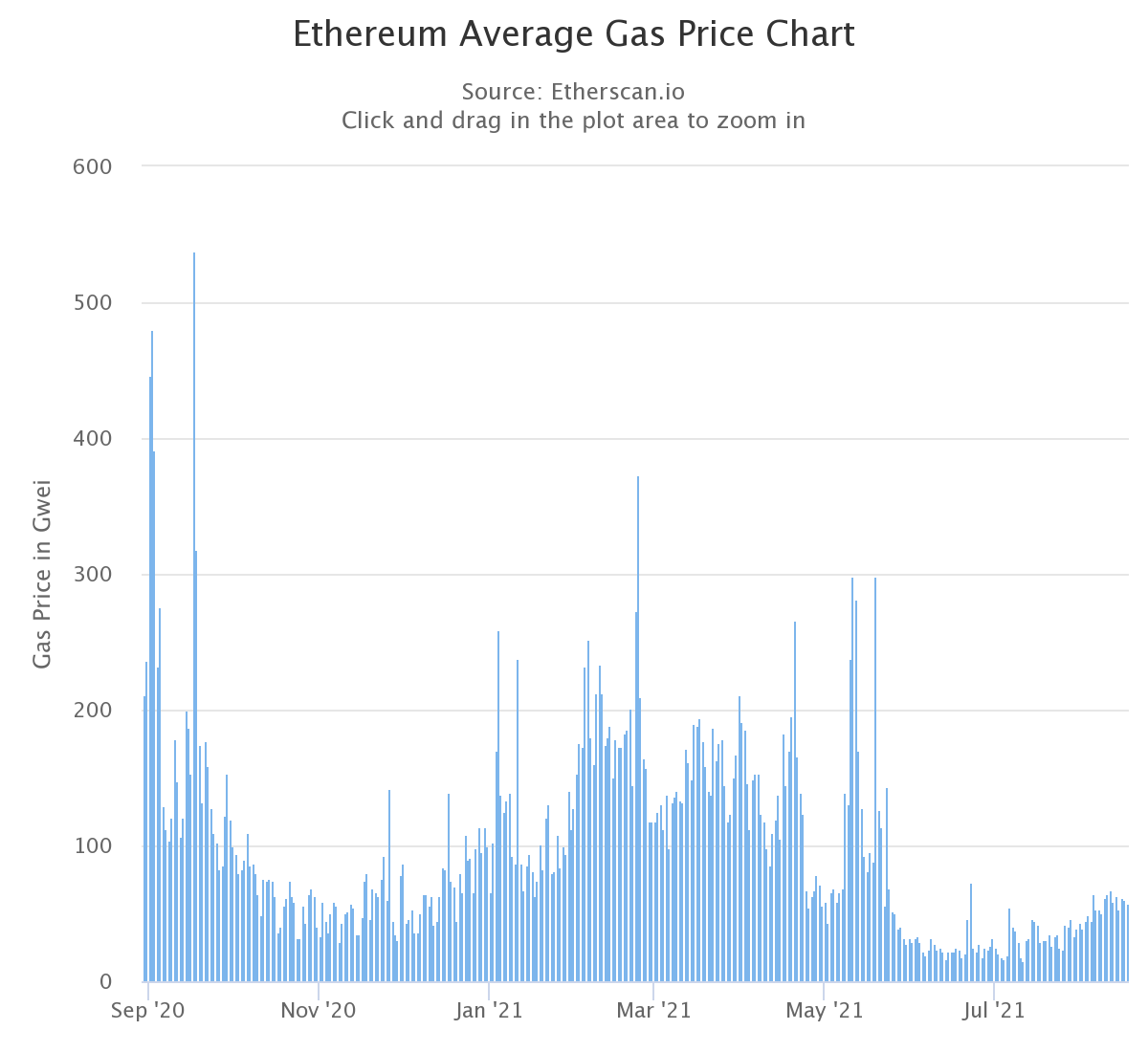
Possibly it’s too quickly to say EIP 1559 wasn’t definitely worth the effort. In any case, devs had at all times maintained its rollout could not imply decrease gasoline charges.
However on preliminary examination, maybe ETH 2.0 is the one manner Ethereum can resolve its scalability issues.
CryptoSlate E-newsletter
That includes a abstract of a very powerful every day tales on the earth of crypto, DeFi, NFTs and extra.
Get an edge on the cryptoasset market
Entry extra crypto insights and context in each article as a paid member of CryptoSlate Edge.
On-chain evaluation
Value snapshots
Extra context
Be part of now for $19/month Discover all advantages